Your operation needs consistent cleaning schedules tailored to specific risks, daily throughput, allergen management, and regulatory visits, including verifiable documentation validating HACCP requirements, compliance audits, and health department standards. The details below give guidance on sanitation program requirements.
Essential Summary
- Food safety cleaning specialists from Brampton work with restaurants, grocery departments, commissaries, warehouses, bakeries, schools, mobile vendors, and allergen-sensitive operations.
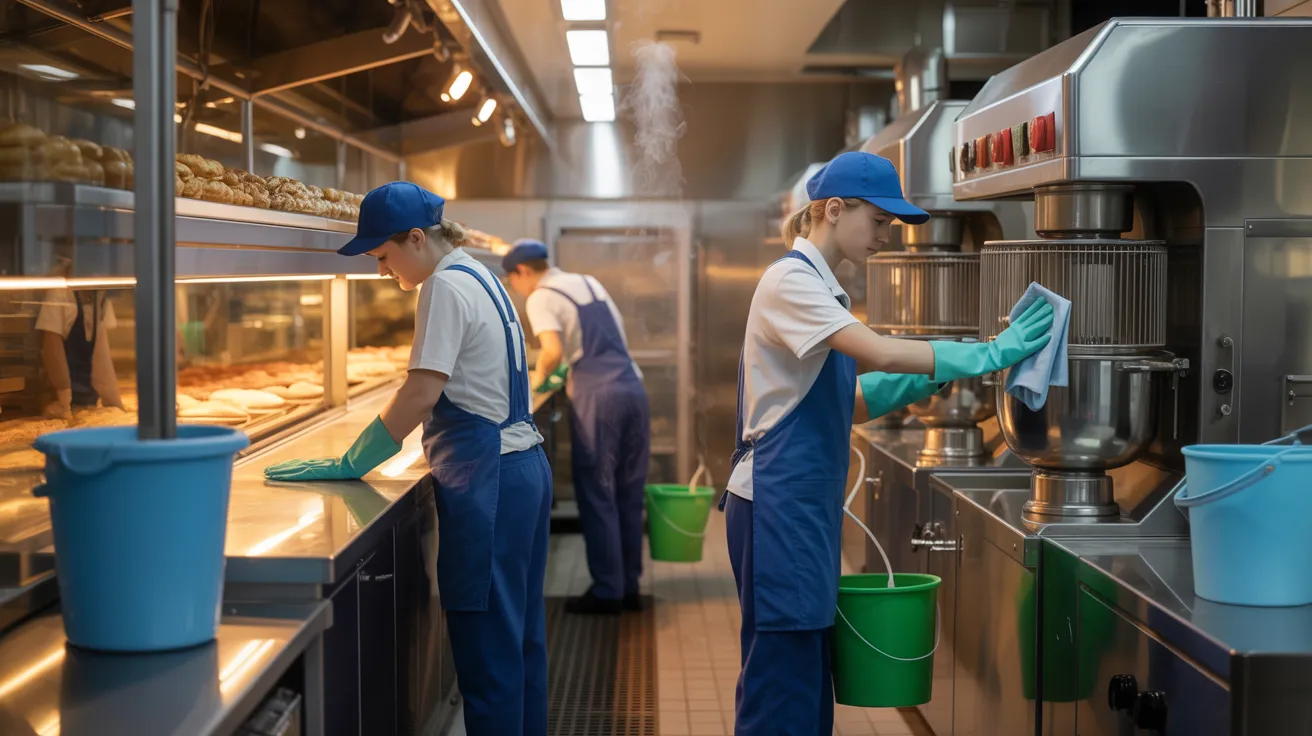
- They clean frequently contacted areas, food-contact equipment, kitchens, floors, drains, restrooms, and storage areas using zone-based workflows to reduce cross-contamination.
- Proper chemical concentration, suitability, and exposure duration are validated by approved specialists, with conclusion documented via samples, audits, and corrective-action records.
- Optimal maintenance plans account for hazard, production rate, transitions, spills, and standards when designating routine, recurring, and annual duties by area.
- Liability, colour-coded implements, hazard analysis knowledge, public-health understanding, safety training preparation, endorsements, and inspection-ready maintenance files are essential contractor traits.
What Brampton Operations Require Food Safety Cleaning?
Brampton establishments that deal with, maintain, prepare, package, or provide food require hygiene cleaning. Implement it if your facility is regulated by public health inspection, food premises regulations, or internal HACCP-based controls. The mandate covers eateries, dining facilities, warehouses, supermarket areas, meat counters, fish departments, retail outlets, and institutional kitchens.
You'll equally need documented food sanitation in supply facilities, manufacturing operations, cold storage warehouses, bakeries, school food programs, reception halls, and delivery services. Mobile and temporary businesses are included, like mobile kitchens, market vendors, and seasonal booths. Should your employees work with ingredients, section ready-to-serve foods, heat meals, or keep allergens stored, your location requires documented cleaning protocols. In Brampton, cleanliness continues to be compulsory; it represents lawful, operational, and customer protection standards.
What Do Brampton Cleaning Experts Clean?
You need cleaning experts who sanitize high-touch surfaces, kitchen areas, floors, and bathrooms to meet food safety and public health standards. They target these areas because they present the highest risk for cross-contamination, slipping risks, and sanitation breaches.
By knowing exactly what gets cleaned, you can make sure your operation's sanitation protocols meet compliance standards.
Sterilizing High-Touch Points
base sterilization timing based on activity levels, infection risk, and how the space is used.
Correct validation of sanitizing agent suitability, concentration, and application duration per product specifications and health codes to copyright efficacy. Staff can employ surface swabbing to validate disinfection results
Kitchen Areas, Floor Surfaces, and Bathroom Spaces
Professional cleaners in Brampton concentrate on kitchens, floors, and restrooms given that each location involves specific contamination control, falling hazards, and health code requirements. In industrial kitchens, you need degreasing on cook lines, equipment exteriors, drains, prep surfaces, and splash zones to minimize contamination and pest pressure.
Floor care that is documented should equally be anticipated. Technicians scrub and extract buildup from tile grout, ceramic surfaces, and vinyl floors, then apply proper moisture management so you can limit falls and meet regulatory standards. They also address entry points where dampness and dirt enter the building.
For restroom sanitation, cleaners sanitize touchpoints, fixtures, partitions, dispensers, and waste containers, then replace products and reduce odor. They also service restaurant moprooms, where chemical storage, sink hygiene, and drainage conditions can affect sanitation compliance and staff safety daily.
How Food Safety Cleaning Benefits Brampton Operations
Brampton businesses need to implement proper sanitation practices for satisfying legal standards and passing inspections. You also minimize bacterial spread through proper cleaning of food-preparation surfaces, appliances, and frequently-touched items. Most importantly, you help protect public health by lowering the risk of foodborne illness in your facility.
Regulatory Code Requirements
Brampton food businesses must comply with strict public health standards, so cleaning procedures is essential to meeting health codes, protecting customers, and avoiding penalties. You must maintain hygienic food handling zones, verifiable cleaning logs, proper chemical use, and auditable operational standards that align with municipal and provincial inspection expectations.
Failure to maintain cleaning standards leads to citations, remedial directives, brand harm, and potential disruption during further inspections or enforcement reviews.
Cross-Contamination Prevention
Maintaining regulatory compliance copyrights on your power to stop cross-contamination during daily food handling and cleaning. You must separate raw ingredients from ready-to-eat foods, sanitize prep surfaces between tasks, and position cleaning agents away from food surfaces. Explicit protocols lower contamination threats and support consistent compliance during inspections.
Building allergen segregation prevents priority allergens from contacting shared surfaces, containers, or equipment. Utilize dedicated cutting boards, color-coded tools, and strict utensil labeling so team members won't blend products during preparation or service.Enforce handwashing after handling raw meat, seafood, eggs, or allergen-containing products. Swap wiping cloths regularly, and confirm sanitizer strength with test strips. When your team follows these practices each shift, you create a cleaner, safer operation that meets Brampton's food safety expectations consistently.
Public Health Protection
Should cleaning standards collapse, you don't simply encounter inspection problems—you expand the odds of foodborne illness impacting customers, staff, and the wider Brampton population. You also weaken your role in protecting public health, especially in busy food facilities where contamination can spread quickly through surfaces, equipment, and touchpoints.
You must implement cleaning procedures that remove soils, properly disinfect, and verify results. This involves maintaining exposure times, deploying approved disinfectants, maintaining records, and coaching staff to fulfill health-unit expectations. These actions support pathogen control by suppressing pathogens before contaminating food or hands. In Brampton, effective cleaning shields vulnerable populations, curtails outbreak likelihood, and demonstrates accountability. When you adhere to proper protocols, you go beyond regulations—you substantially reduce risk and advance safer food handling throughout the city.
How Does Cleaning Support Food Safety Compliance?
Following rigorous cleaning routines improves food safety compliance by decreasing contamination threats, controlling pathogen growth, and maintaining your facility's adherence to sanitation requirements under HACCP-based programs and public health regulations. You validate that product-contact areas remain visibly clean and microbiologically controlled, facilitating documented preventive controls and inspection readiness.
Proper cleaning procedures also strengthen allergen management by removing residues that can lead to undeclared allergen exposure.
How Do You Plan Commercial Cleaning Services?
Create cleaning plans based on risk levels, production rates, and compliance requirements rather than relying solely on a predetermined calendar. You should plan routine cleaning every day
Seasonal deep cleaning needs to be arranged during shutdowns, weather-related soil buildup, or pest-pressure periods
What Should You Look For in Brampton Cleaning Experts?
Start by screening providers against food sanitation standards, not cost only. You should verify that each company understands CFIA, public health, and HACCP-aligned expectations relevant to your facility. Ask for insurance documentation, WHMIS compliance, documented staff training, and supervision practices. Review whether technicians understand cross-contamination risks, chemical handling, and traceable sanitation records.
You should also assess operational reliability and accountability. Request references from Brampton food businesses, then examine turnaround periods, corrective-action procedures, and communication standards. Confirm the company supports supplier audits and can present audit-ready records when regulators or third parties request evidence. Check whether equipment is maintained is performed, color-coded implements are used appropriately, and facility-specific risks are recognized. A competent service protects regulatory adherence, product quality, and your brand reputation.
What does a cleaning and sanitation plan encompass?
Develop a written plan that clarifies every sanitation task, standard, and responsibility prior to production start. You should detail cleaning frequencies, approved chemicals, dilution rates, contact times, tools, and verification methods for each zone, surface, and piece of equipment. Incorporate pre-operational inspections, corrective actions, and employee training requirements.
Your plan should also address contamination prevention, garbage management, pest control procedures, and recorded timelines for restrooms, drains, floors, and food-contact areas. Explain how you'll keep raw and prepared foods apart, support ingredient tracking, and maintain accurate allergen labeling through validated cleaning between product changes. You should designate accountability, keep signed records, and compare results against regulatory standards, HACCP controls, and customer requirements. When gaps appear, revise procedures immediately and re-educate staff.
Regular Asked Questions
Do sanitation providers work during nighttime hours at Brampton facilities?
If you run regulated facilities, you'll also need records that support inspections and maintain assurance.
Can sanitation professionals handle hazardous incidents?
Yes, you can expect Brampton sanitation professionals who offer hazard containment services. They handle contamination, assess risks, isolate affected areas, and begin swift cleanup to reduce exposure and avoid operational disruption. You should confirm response times, professional credentials, safety procedures, and waste management. If your facility must meet regulatory requirements, select a service that records events, maintains regulatory procedures, and enables compliance verification.
Can environmentally safe disinfectants be used safely on food-contact surfaces?
Yes, natural disinfectants can be secure for food preparation areas if you pick products labeled food safe and complying with regulations. You should verify exposure duration, mixing proportions, and rinse procedures before application. Many natural-based solutions decrease chemical hazards, but you still need confirmation of performance against harmful bacteria. To maintain residue free surfaces, you must adhere to manufacturer directions precisely and confirm the cleaning agent satisfies applicable food industry sanitation standards.
Can cleaning plans be modified for production fluctuations?
Absolutely, maintenance plans are customizable for seasonal production changes. Adjust schedules, personnel, sanitizers, and validation steps to correspond to production rhythms while maintaining regulatory compliance. Minimize production interruptions through timing disinfection around equipment transitions, maximum output, and usage patterns. Additionally update written procedures, staff education, and monitoring protocols to account for seasonal hazards, emerging allergens, or elevated soil levels. Ongoing evaluations ensure the plan effective.
Do commercial cleaners train staff on hygiene standards?
Certainly, professional cleaning experts train your staff on hygiene protocols. You obtain employee development on proper chemical use, processing times, contamination control, equipment disassembly, and documentation procedures. They generally coordinate instruction with HACCP, GMP, and CFIA or local public health requirements. Many also run health assessments to verify compliance, uncover shortcomings, and reinforce corrective actions. This enables you to copyright standard processes, pass inspections, and reduce food safety risks daily.
Summary
When you partner with Brampton food safety and commercial cleaning experts, you aren't merely cleaning—you keep your operation audit-prepared and your protocols compliant. From kitchens to processing floors, every clean surface and maintained area minimizes unwelcome guests and avoid expensive problems. By arranging cleanings at the proper frequency and adhering to a detailed cleaning try now schedule, you protect employees, customers, and your reputation. In a tightly regulated environment, clean spaces are essential—they're fundamental to proper operations.